Safe Response Solutions
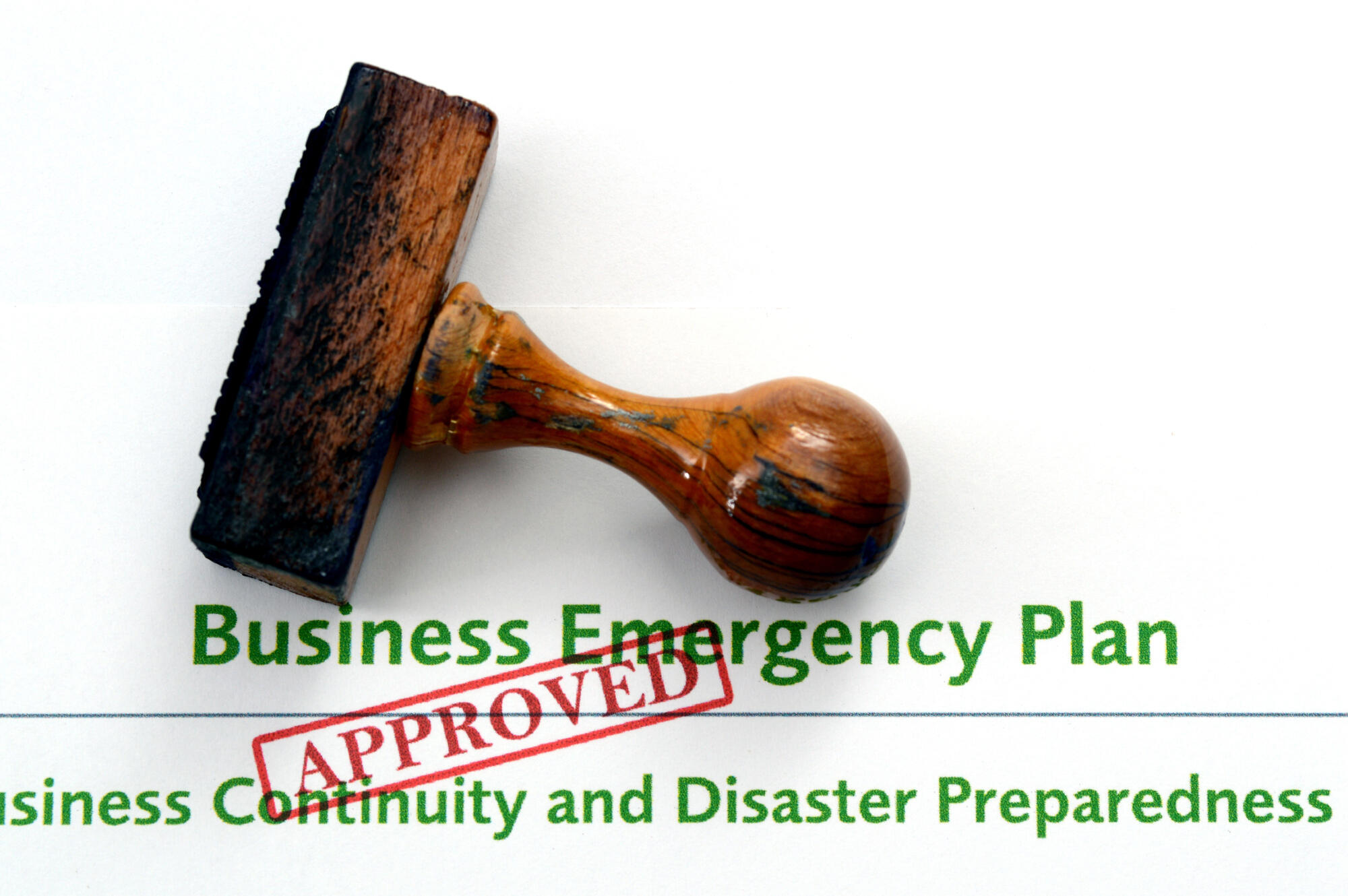
Emergency Preparedness & Response Planning
Plans, Systems, and Training — Before the Crisis Hits
Structured emergency planning and response frameworks for communities, schools, businesses, and organizations — built for real-world emergencies where time is critical, information is incomplete, conditions evolve rapidly, and decisions carry real consequences.
Resilience: Response | Continuity | Recovery
The Real Foundation
Safety and security is what businesses, organizations, and communities are actually built upon. Resilience is the ability to maintain that foundation even during unexpected emergencies, crises, or chaos.
the three phases of
Resilience
Stable organizations and communities must plan for the unexpected: natural disasters, prolonged power outages, or infrastructure failures.
Phase One
Response
When the unexpected occurs, recognizing the problem quickly and responding appropriately determines the extent of the impact. This is the foundation of Response Planning.
Phase Two
Continuity
During an emergency or crisis event, the ability to maintain continued safe and secure operations, even at reduced levels, is the goal of Continuity Planning.
Phase Three
Recovery
The ability to resume normal, stabilized operations after a major emergency or infrastructure disruption depends on pre-established Recovery Planning.
core services offered
Assessment, Planning & Training
We offer focused support across the full lifecycle of emergency preparedness — from initial assessment and planning through training, exercises, and sustained readiness.
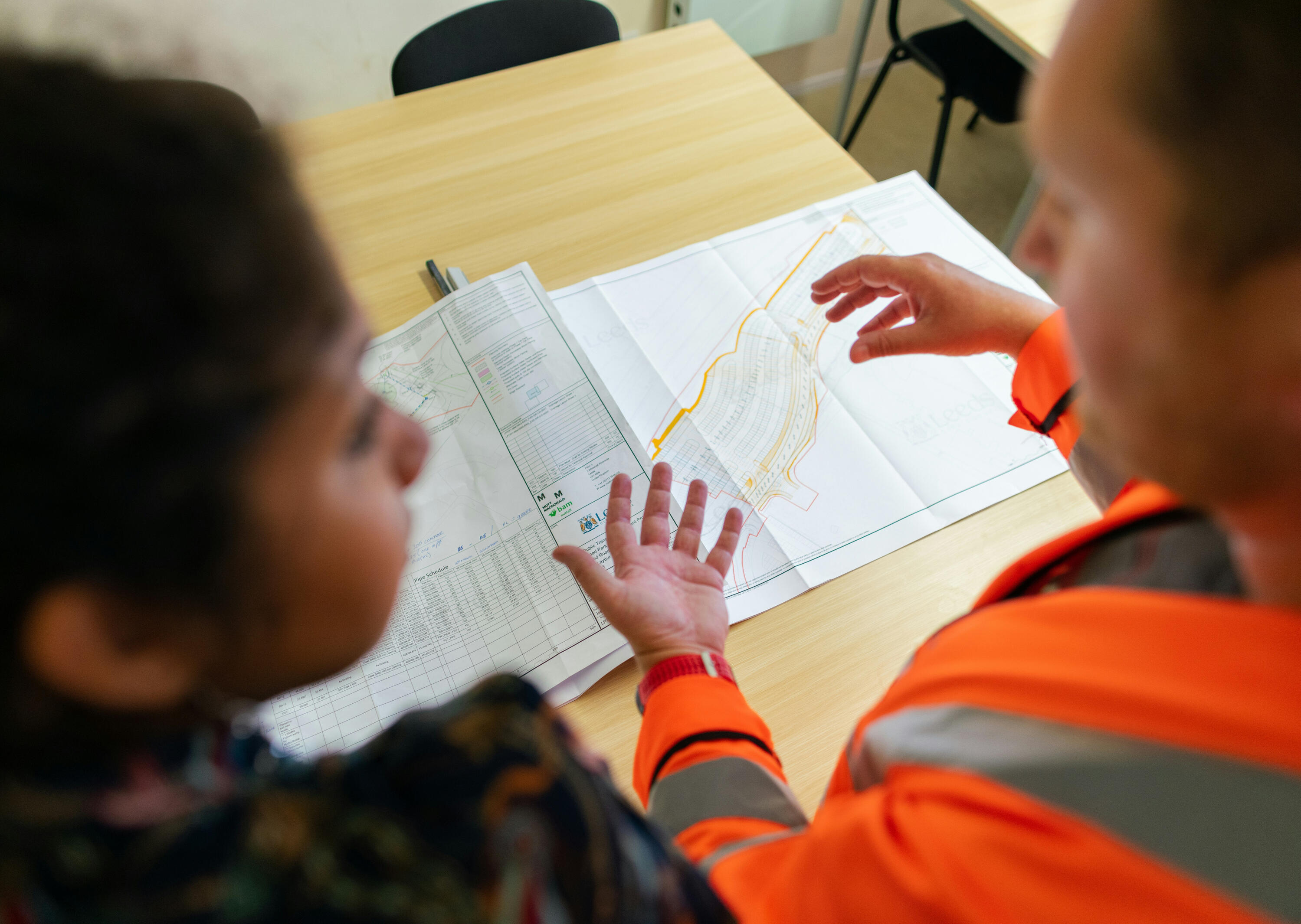
consulting
Direction and Clarity
Whether your organization is just beginning to explore crisis and emergency planning, or your existing emergency preparedness and response plans need an independent assessment, we can help. We assess your actual risks if you're starting from scratch, and evaluate, test, refine, or fully update any outdated plans you're currently relying on.
Planning
Build the Foundation
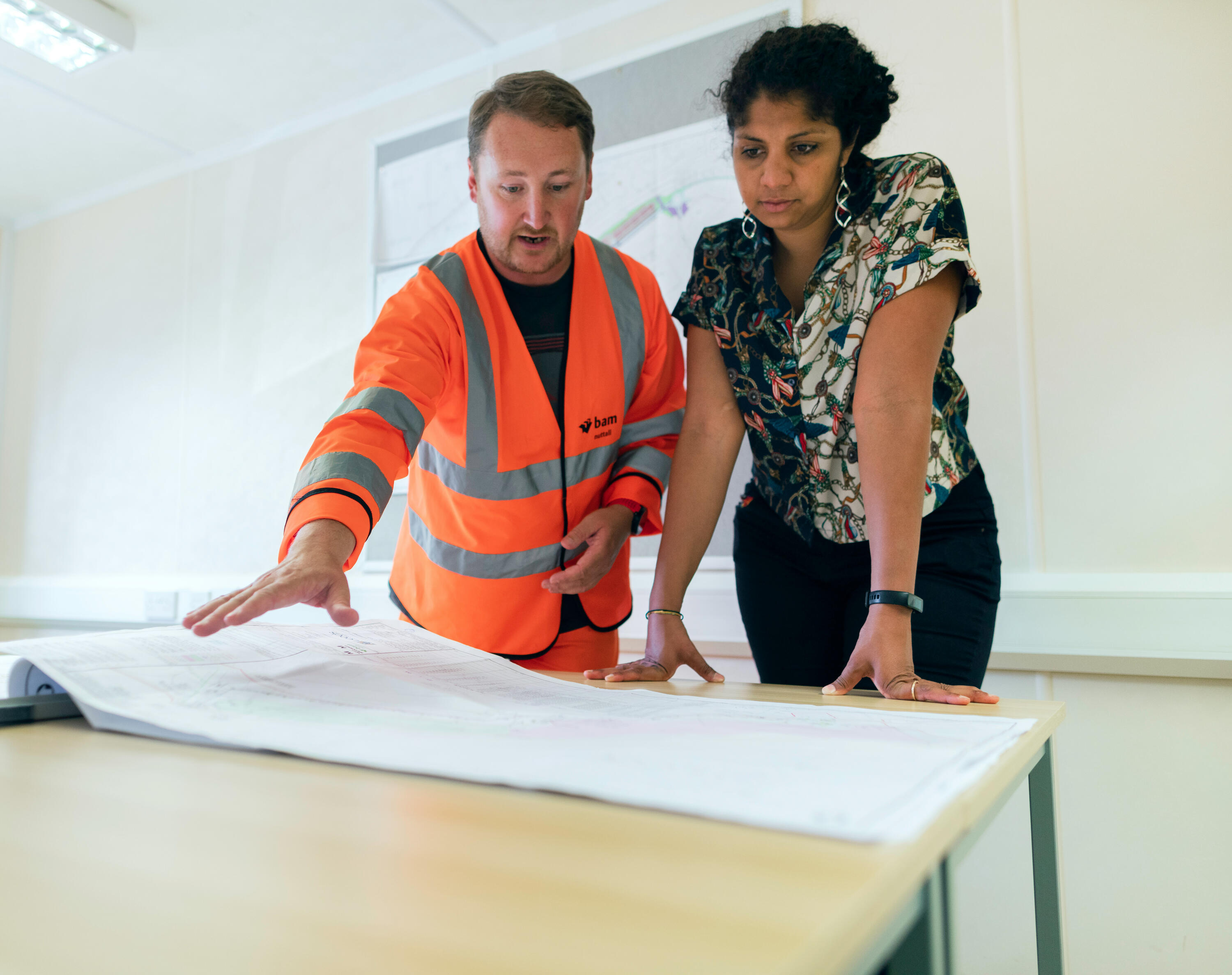
Effective plans must be customized to your organization and its specific threat risks. Key components include a comprehensive threat assessment, defined team roles and responsibilities, clear decision thresholds and trigger points, and a crisis communication plan for internal and external stakeholders.
training
Ensure Readiness
Teams need implementation training to stress test response protocols. We design and facilitate realistic tabletop and simulation exercises to identify vulnerability gaps and improve response readiness.
Ongoing Support
Sustain Readiness
Preparedness isn't a one-time event. We offer ongoing program support — keeping your plans current, your people trained, and your organization ready as conditions change.
approach
Built for
Real-World Conditions
This work is grounded in real-world operational experience—not theoretical models.The focus is simple: build systems that function under actual conditions. That means accounting for time pressure, incomplete information, communication breakdowns, and competing priorities.Frameworks are designed to be clear, usable, and executable—so they hold up when they’re needed most.
Founder & Lead Consultant
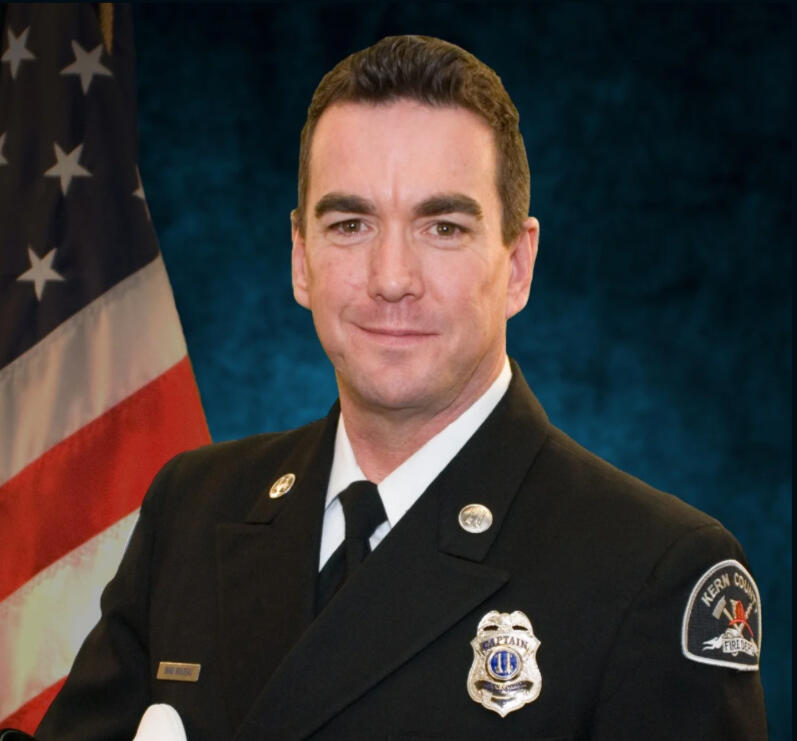
Brad Brazeau
Brad Brazeau is a retired Fire Captain with over 20 years of emergency response and leadership experience in high-stakes emergency and disaster operations — making critical decisions and managing multi-agency responses on all incident types including wildfires, mass-casualty events, technical rescues, and multi-agency disasters. He also spent much of his career developing programs and designing training criteria for first responder agencies and personnel, and managing interagency coordination with local, state, and federal partners including FEMA and Cal OES.As Founder and Lead Consultant of Safe Response Solutions, he now advises organizations, businesses, and communities on emergency preparedness, helping them build practical, scalable response and continuity systems that perform under real-world conditions.Safe Response Solutions was founded on a straightforward belief: the organizations best equipped to handle an emergency are the ones that prepared before it happened. Every engagement is built on real operational experience — not theory, not templates.
NEXT STEP
Build Systems That Work When It Matters Most
Most emergencies don't announce themselves, but they will show up. The organizations, businesses, and communities that weather them are the ones that prepared before they arrived. Real, structured preparation is not optional.Reach out to discuss your needs. Every engagement starts with a conversation.
© 2026 Safe Response Solutions. All rights reserved.
Planning
Crisis Management Planning
Develop structured response frameworks that define roles, priorities, and decision pathways before an incident occurs.Plans are built for execution under real conditions—accounting for time pressure, incomplete information, and coordination across multiple stakeholders.
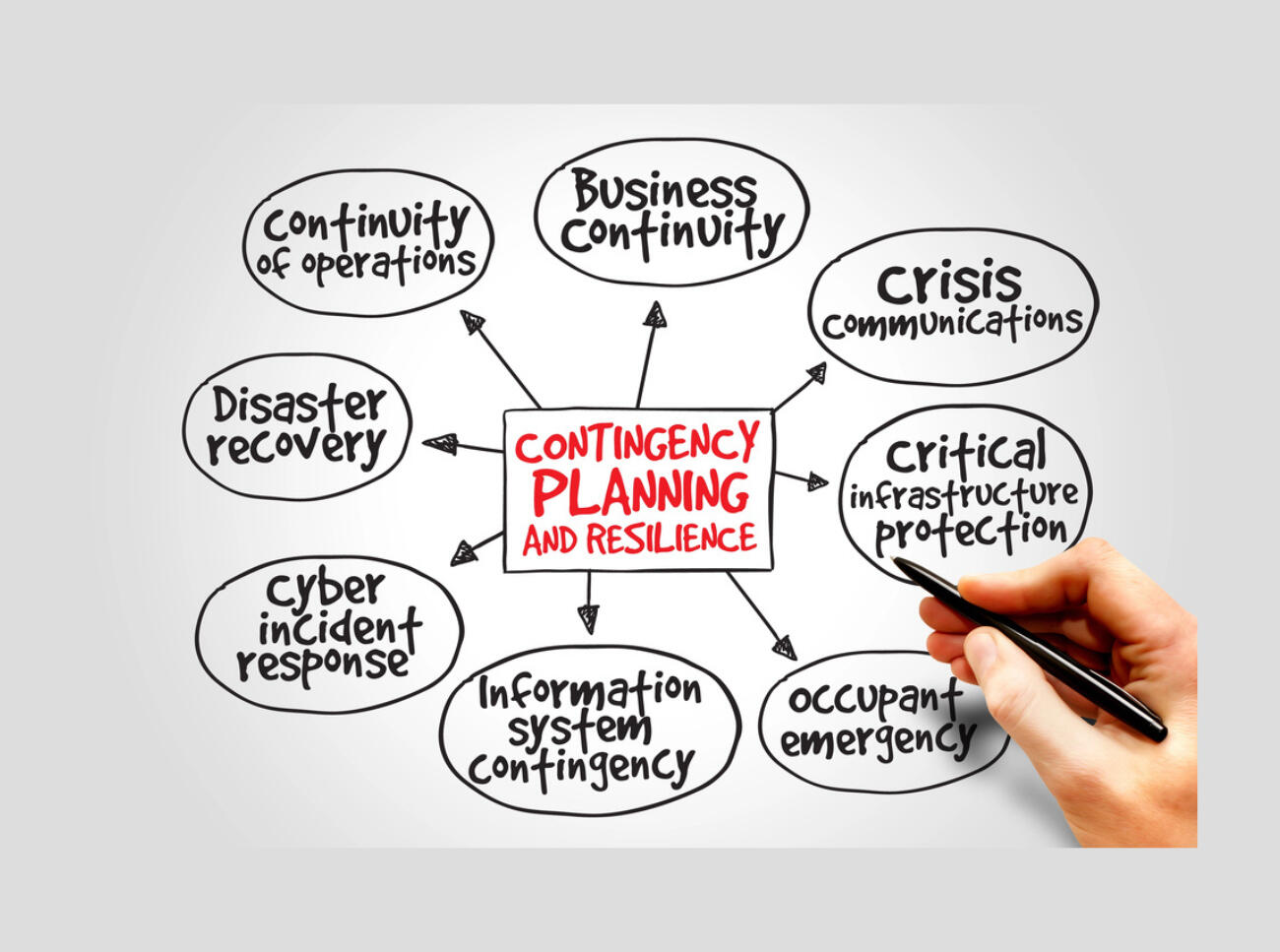
CRISIS RESPONSE PLANS establish team roles and responsibilities, command structure, decision thresholds, and communication protocols—enabling rapid identification, containment, and stabilization of emerging threats while minimizing impact and downtime.CONTINUITY PLANS define the actions and protocols required to isolate disruptions and sustain critical operations, ensuring essential functions continue throughout a crisis or disruptive event.RECOVERY PLANS provide a structured path to restore operations efficiently—reducing downtime, limiting long-term impact, and returning systems and services to full functionality as quickly as possible.
training
Scenario-Based Exercises
Design and facilitate realistic simulations that test systems, leadership, and coordination under pressure.Exercises are structured to expose gaps in decision-making, communication, and operational readiness—before they become real-world failures.
While plans establish the foundation, performance ultimately depends on the people responsible for executing them. Cross-functional teams must be able to operate effectively under extreme stress, time constraints, and incomplete information.Training and exercise facilitation ensures teams can execute quickly, communicate clearly, and make sound decisions in real time when a crisis occurs.We design and deliver customized tabletop and interactive simulation exercises, including dynamic, multi-player scenarios conducted in controlled, sandbox-style environments aligned to your specific risk profile. These exercises are used to stress test systems, evaluate leadership performance, and identify areas for improvement.The process is collaborative, not punitive. After-action reviews provide a structured feedback loop—allowing teams to contribute insights, refine procedures, and continuously strengthen overall operational resilience.
Test & assess
Operational Risk Assessment
Evaluate operational systems to identify vulnerabilities in planning, coordination, and execution.Assessments focus on how systems perform under stress—not just how they are designed on paper.
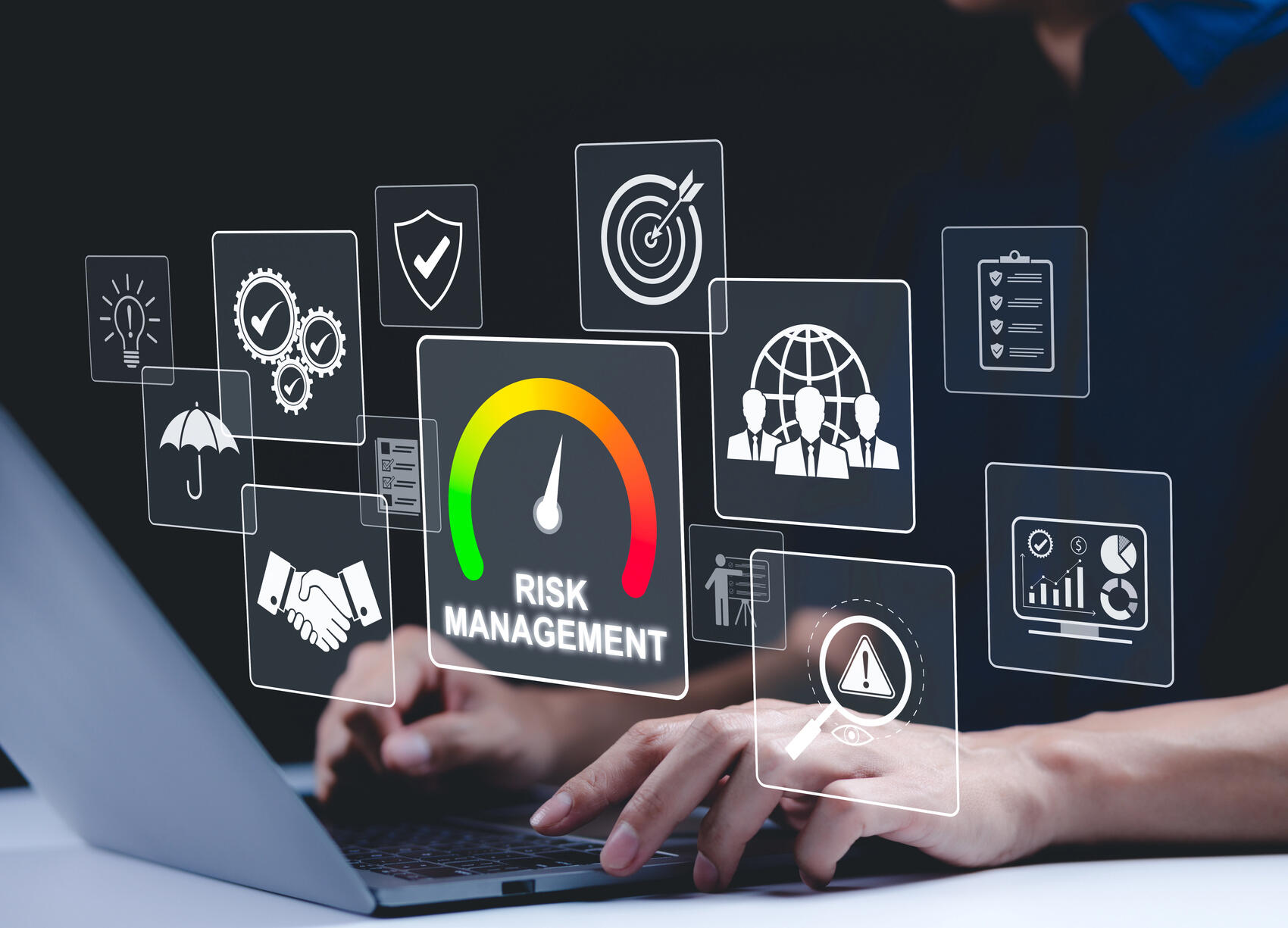
For organizations without an existing resiliency program, risk and threat assessments establish a clear understanding of exposure—providing the foundation for effective crisis preparedness and planning.For organizations with established programs, operational risk assessments provide clarity on system performance, identifying gaps in efficiency, coordination, and execution.Assessments quickly expose vulnerabilities, including breakdowns in communication, delays in critical decision points, bottlenecks in information flow, and gaps in operational coordination.They also highlight areas of strength—allowing organizations to focus refinement efforts where they will have the greatest impact across planning, training, and execution.
DECISION-MAKING
Decision-Making Under Pressure
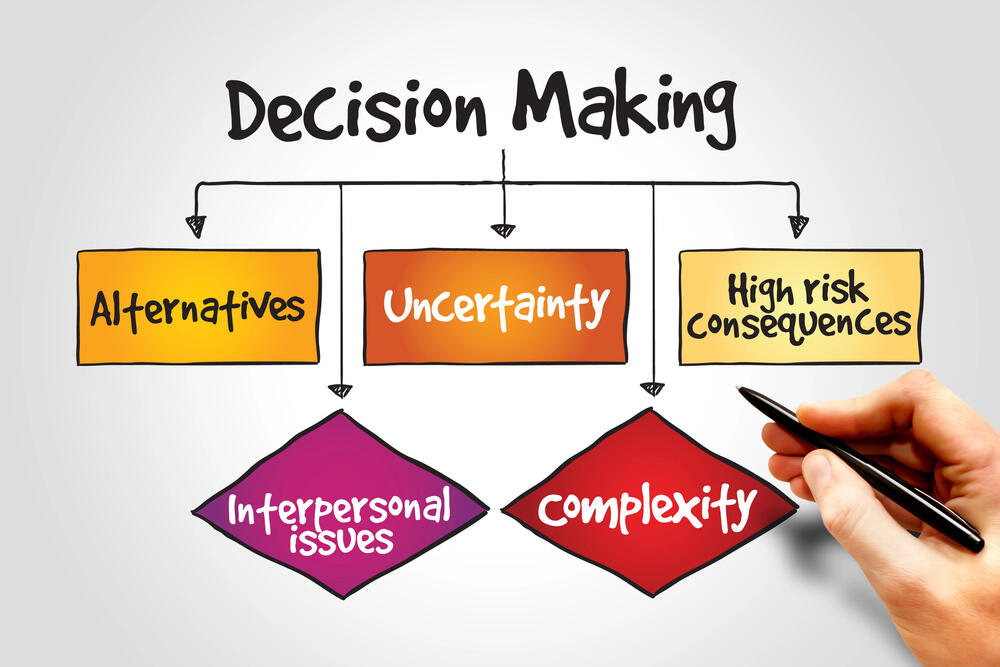
In high-stakes environments, decisions must be made quickly—often with incomplete information, competing priorities, and real consequences.This work focuses on building structured approaches to decision-making that improve clarity, speed, and effectiveness under pressure.
Crisis decision-making is not a routine skill for most leaders. Outside of environments such as military combat operations or frontline emergency response, few individuals are regularly required to make high-consequence decisions in real time under extreme pressure.In these environments, leaders must operate with limited information, rapidly evolving conditions, and significant consequences—often with teams depending on them for immediate direction and clarity.This training is built on over two decades of frontline experience in high-consequence incident response, where decisions directly impacted lives, communities, and complex operational outcomes.It provides leaders and crisis team members with structured frameworks and practical tools to remain grounded under pressure, assess situations clearly, and make disciplined, effective decisions in real time.The result is improved decision-making not only during crisis events, but across all areas of leadership and operational performance.
general and core services offered
Planning, Response, & Risk Management
For organizations operating in high-risk, time-sensitive environments, we offer focused support across the full lifecycle of crisis readiness and operational performance.
Focused support across the full lifecycle of crisis readiness and operational performance for organizations operating in high-risk, time-sensitive environments.
WHO THIS IS FOR
Organizations Operating in High-Stakes Environments
This work is designed for organizations where operational decisions carry real consequences and require coordination under pressure.Public agencies and departments
Schools and institutions
Private organizations with complex operations
CRISIS RESPONSE PLANS should clearly define critical team member roles and responsibilities, incident command and direction protocols, decision triggers and thresholds, and crisis communication plans, to guide your immediate response to any realized threat or crisis, allowing you to quickly isolate, mitigate, and stabilize the situation to minimize damage and downtime.CONTINUITY PLANS will clearly establish actions and protocols to implement during a crisis to isolate the disruption and allow the continuation of normal operations and critical functions during and throughout the crisis or disruptive event.RECOVERY PLANS will allow organizations to recover quickly from events and maintain or get back to full operational function and efficiency rapidly without prolonged reduction, discomfort, or damage to the services provided.
While plans are the foundation of any effective system, the success of those plans is dependent upon the team and stakeholders who will implement them. All cross-functional team members need to be able to fulfill vital roles under extreme stress and time pressure, often with limited or incomplete information. Training design and exercise facilitation is critical for team members to be able to operate quickly and efficiently in real-time when a crisis strikes.Designing and delivering realistic scenario and situation based training exercises is the best way to stress test your system. We design customized tabletop, sandbox and simulation based exercises for your specific threat risks to identify areas to refine and improve. The goal is not punitive to team members, but actually collaborative as they become a vital member of the creative and refinement process, offering personal feedback and suggestions during the after action review process, so training and testing exercises become a continual refinement and improvement loop for the overall operational resiliency program.

Mauris nunc aliquet sem iaculis
Semper feugiat nibh pulvinar proin gravida hendrerit vel turpis nunc eget lorem dolor sed viverra ipsum. Vitae ultricies leo integer nunc risus.
Ata augue felis metus
Dapibus ultrices in iaculis sed augue lacus viverra. Leo integer nunc vel risus commodo maecenas tellus at urna condimentum mattis at erat adipiscing commodo.
Arcu gravida
Laoreet fames turpis egestas maecenas pharetra bibendum arcu vitae elementum curabitur vitae. Semper viverra nam libero justo.

Ultrices diam odio
Mattis rhoncus urna neque viverra venenatis lectus magna fringilla. Tempus quam pellentesque nec aliquam vitae nunc. Tortor vitae purus faucibus ornare at ultrices tempus.
NEXT STEP
Build Systems That Work When It Matters Most
If your organization operates in environments where decisions carry real consequences, structured preparation is not optional.